


Nutrient burn is one of the most common problems growers encounter, especially when using concentrated fertilisers or hydroponic nutrients. The good news is that it is usually easy to correct when you recognise the signs early.
But what does nutrient burn actually look like, and how can you tell it apart from a nutrient deficiency?
What Is Nutrient Burn?
Nutrient burn occurs when a plant receives more nutrients than it can absorb and use effectively. This creates an overly concentrated growing environment around the roots, which can interfere with water uptake and stress the plant.
It doesn’t necessarily mean you’ve used “too much fertiliser” in a single feeding. Nutrient burn can also develop when nutrients accumulate in the growing medium over time, particularly when there isn’t enough runoff or when the nutrient solution is too concentrated.
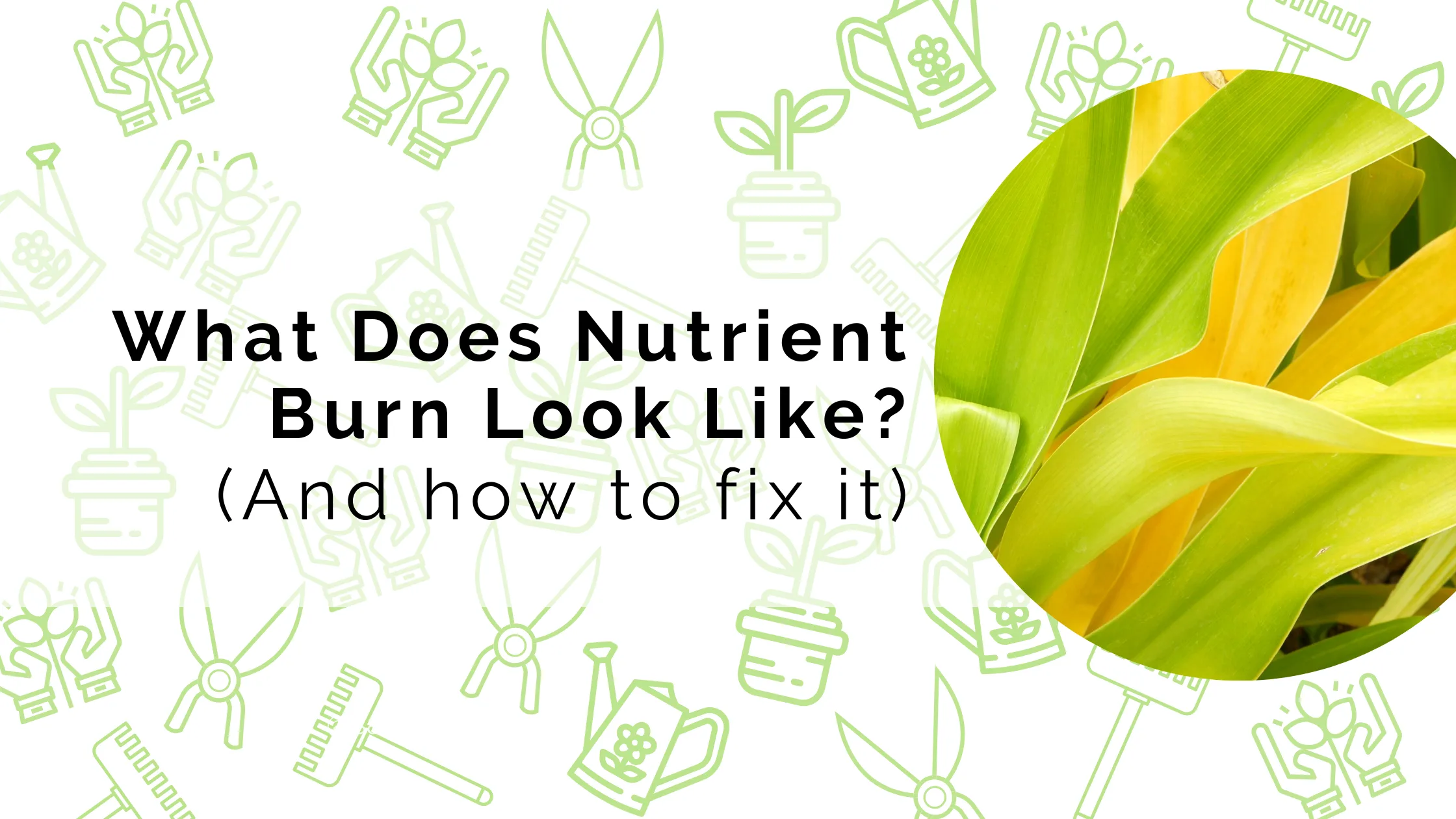
What Does Nutrient Burn Look Like?
The most recognisable symptom is brown or burnt-looking leaf tips.
You may notice:
- Brown or yellow tips on otherwise healthy leaves
- Leaf edges becoming dry and crispy
- Discolouration gradually moving further into the leaf
- Dark green leaves, particularly when nitrogen levels are too high
- Curling or damaged leaf tips
- Slower growth in more advanced cases
Nutrient burn often starts at the tips and edges of older or larger leaves before progressing if the underlying issue isn’t corrected.
Importantly, the damaged parts of the leaf won’t recover. The goal is to prevent the damage from spreading to new growth.
Nutrient Burn vs Nutrient Deficiency
One of the easiest mistakes to make is assuming that yellow or brown leaves automatically mean your plant needs more nutrients.
A deficiency means the plant isn’t getting enough of a particular nutrient. Nutrient burn, on the other hand, generally means the root zone is receiving an excessive concentration of nutrients.
If you respond to nutrient burn by adding even more fertiliser, the problem can become worse.
This is why checking EC (electrical conductivity) can be useful for growers. EC provides an indication of the concentration of dissolved salts in your nutrient solution, helping you determine whether your feeding strength may be too high.
What Causes Nutrient Burn?
Several factors can contribute to nutrient burn:
- Overfeeding: Using a stronger nutrient solution than the plant requires is one of the most common causes.
- Nutrient accumulation: Salts can build up in the growing medium, particularly when plants are receiving nutrients regularly without adequate drainage.
- Incorrect mixing: Adding concentrated nutrients without following the recommended dilution rates can create a solution that is too strong.
- Plant size: Young or small plants generally require less nutrition than established plants. Using the same feeding strength for every growth stage can cause problems.
How Can You Fix Nutrient Burn?
First, stop increasing the nutrient concentration. If you suspect your solution is too strong, reduce the feeding strength and check your EC.
Depending on your growing system and medium, you may also need to flush or thoroughly water the growing medium to help remove excess nutrient salts. Avoid making drastic changes without considering your particular growing setup.
Remove severely damaged leaves if necessary, but don’t expect existing brown tips to turn green again. Instead, watch the new growth. If new leaves develop normally and the damage stops progressing, you’re moving in the right direction.
Prevention Is Better Than Correction
The easiest way to prevent nutrient burn is to avoid guessing.
Follow the nutrient manufacturer’s recommended mixing instructions, adjust feeding according to the plant’s growth stage, and monitor your growing environment. An EC meter can be particularly useful for hydroponic growers because it allows you to monitor nutrient concentration rather than relying solely on measurements by volume.
Healthy plants need the right concentration of nutrients at the right stage of growth.