Posted on

Soil Additives: What to add when…

If your plants aren’t thriving, the issue is often less about your setup and more about what you’re feeding them. Different growth problems point to different deficiencies. Here’s how to match the right input to the problem.

What to add if your plants look weak or pale

When plants lose their rich green colour or appear stunted, it’s usually a sign they’re lacking essential nutrients needed for strong vegetative growth. Calcium nitrate helps restore vigour by supporting leafy development while strengthening overall plant structure. The result is healthier, more resilient plants that can sustain faster growth.

What to add if your roots are underdeveloped

Healthy growth starts below the surface. If your plants are slow to establish or struggle to take off, weak root systems are often the cause. Mono Potassium Phosphate (MKP) provides a high dose of phosphorus, which is critical for root development. It also sets your plants up for a smoother transition into the flowering phase later on.

What to add if your plants aren’t flowering or fruiting well

Poor flowering or low yields can be frustrating, especially when everything else seems right. This is often linked to a lack of potassium during the reproductive stage. Potassium sulphate (SOP) enhances flower and fruit development, improving both quality and quantity so your plants can reach their full potential.

What to add if you’re seeing blossom end rot or weak structure

Issues like blossom end rot or weak stems point to calcium deficiencies, often combined with a lack of magnesium. Calcium magnesium supplements help strengthen cell walls and support key plant functions like photosynthesis. This leads to sturdier plants that are better equipped to handle stress.

What to add if your leaves are yellowing

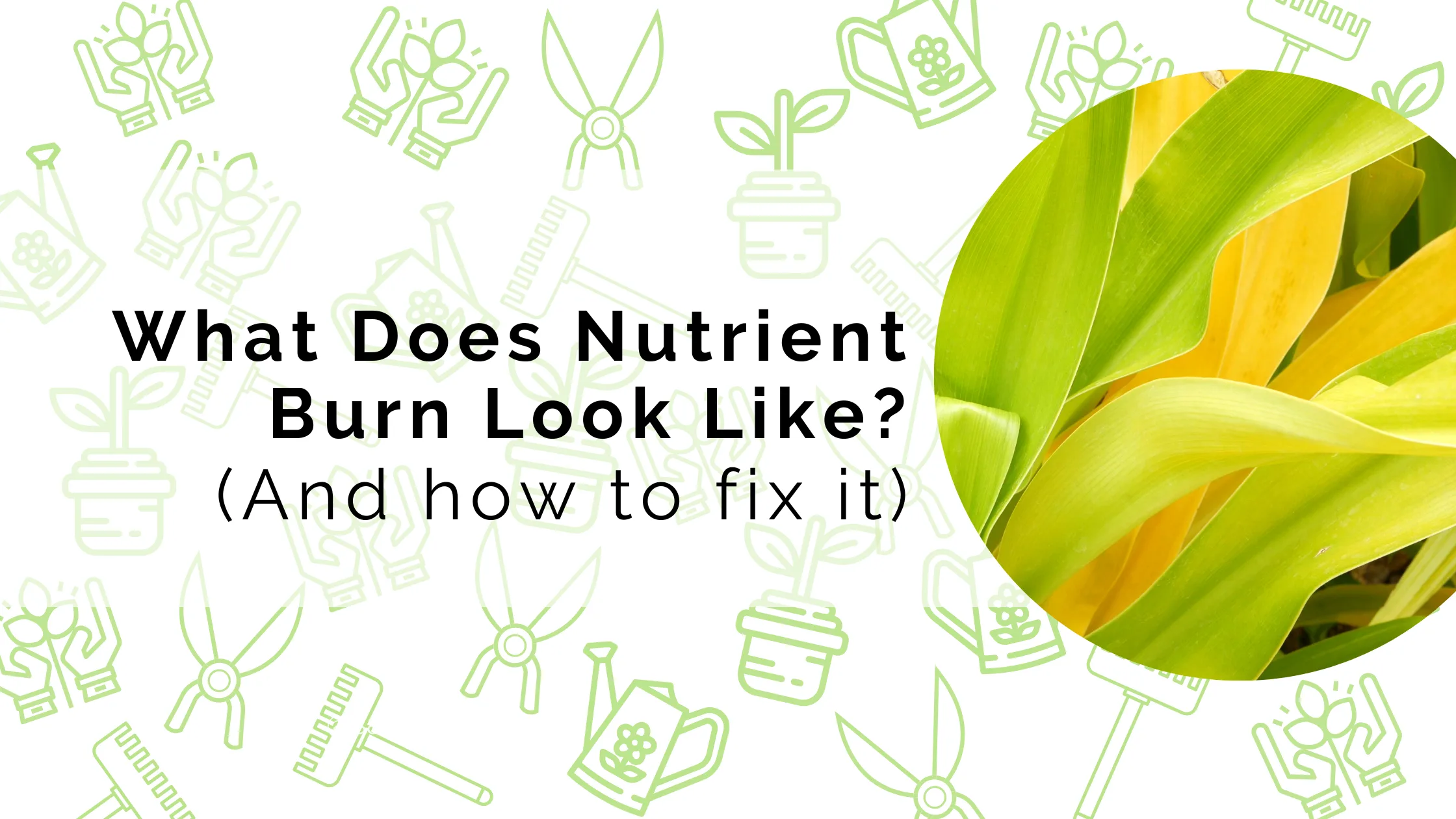
Yellowing leaves are a common warning sign, typically caused by a magnesium deficiency that affects chlorophyll production. Epsom salts (magnesium sulphate) offer a fast-acting solution, restoring green colour and improving the plant’s ability to absorb and use nutrients effectively.

What to add if your hydro setup has root issues

In hydroponic systems, root health is everything. If roots are struggling or you suspect low oxygen levels, hydrogen peroxide can help. It increases oxygen availability in the water and helps keep your system clean, reducing the risk of root rot and other issues.

What to add if you want an all-in-one nutrient solution

If you’re looking for simplicity without compromising results, a balanced nutrient is the way to go. Hydroflow delivers a mix of essential macro and micronutrients, supporting plants through all growth stages. It’s an easy, reliable option for maintaining consistent plant health and performance.

What to add if your grow medium needs improvement

Sometimes the problem isn’t the nutrients — it’s the environment around the roots. Poor aeration or water retention can limit growth. Adding perlite or vermiculite improves airflow, drainage, and moisture balance, creating the ideal conditions for roots to thrive.

Posted on

How to Use pH Up and Down for your Hydroponic Solution

Getting your pH right is one of the most important steps in successful growing. No matter how premium your nutrients are, if your pH is off, your plants simply won’t be able to absorb them properly.

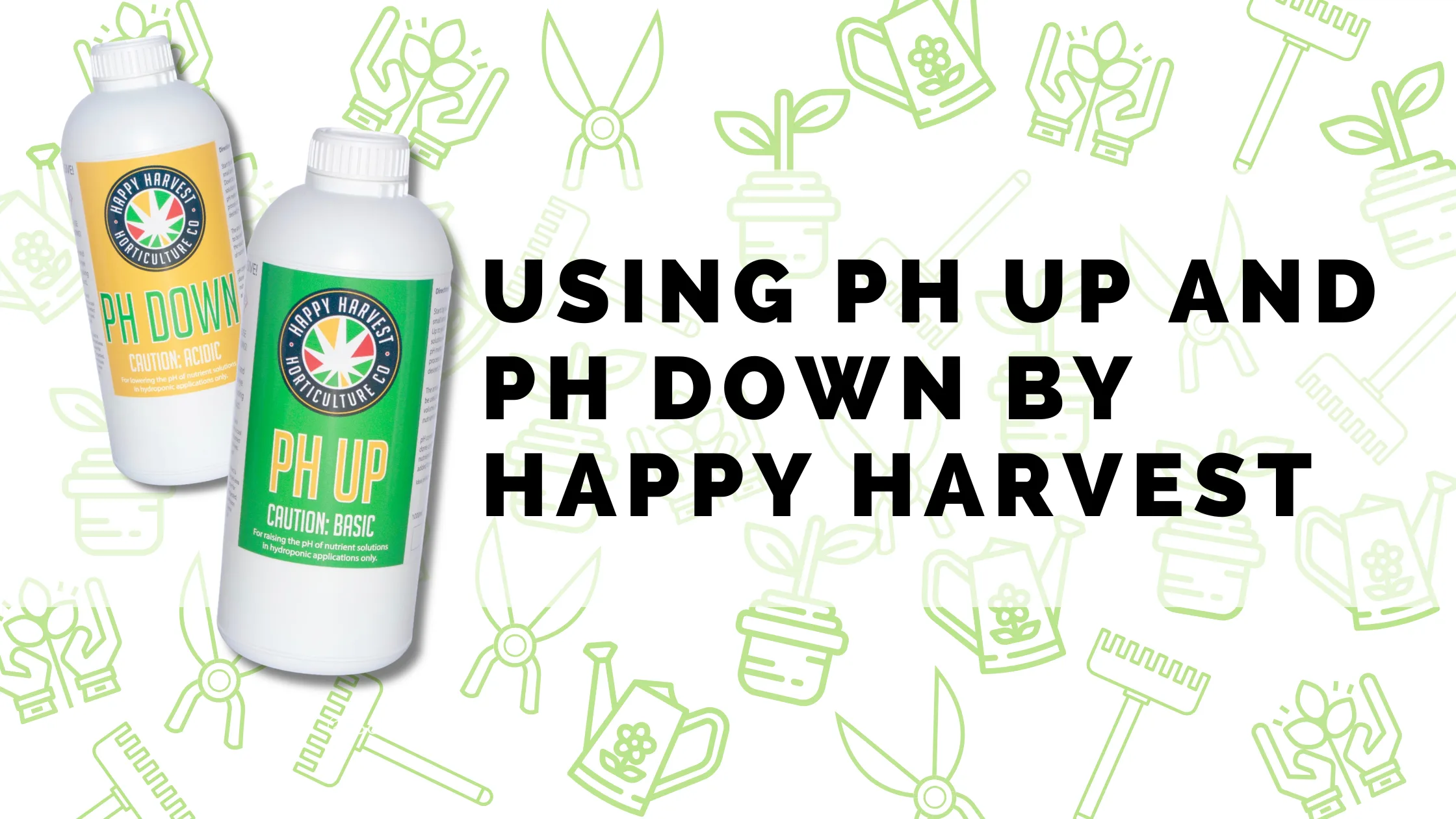
Happy Harvest pH Up & Down are specifically formulated to increase the acidity of your water or nutrient solution. It helps you bring your mix into the optimal pH range where nutrient uptake can occur efficiently and consistently.

Why pH Matters

pH stands for “potential Hydrogen” and is measured on a scale from 1 to 14. A value of 7 is neutral. Numbers below 7 indicate acidity, while values above 7 indicate alkalinity.

For most hydroponic and soil-less growing systems, the ideal nutrient solution range sits between 5.5 and 6.5. Within this window, essential nutrients remain available to your plants. Outside of it, nutrients can become locked out — even if they’re present in the solution.

How to Use Happy Harvest pH Down

Always mix your nutrients first. pH correction should be the very last step when preparing your solution.

Using a reliable pH meter, test your solution. If adjustment is needed, add small amounts of Happy Harvest pH Down or pH Up at a time. Stir thoroughly and test again between doses. Small corrections are far more effective and safer than large adjustments.

If you’re using Happy Harvest pH Down or pH Up for the first time, it’s a good idea to practise with a 10-litre bucket of plain water. This will give you a feel for how much product is required before working with a full nutrient mix.

Once you’ve reached your target range (5.5–6.5), allow the solution to stand for 30 minutes and test again. pH levels can shift as gases like carbon dioxide dissolve into the water or through aeration. If necessary, make a final minor adjustment.

Handle With Care

Happy Harvest pH Up and pH Down are strong acids and must be handled responsibly. Avoid contact with skin and eyes, as it can cause serious burns. If contact occurs, rinse immediately with plenty of water. Do not ingest, keep out of reach of children, and never mix it with pH Up.

Precision makes the difference between average results and a strong harvest. With careful measurement and safe handling, Happy Harvest pH solutions helps you create the ideal environment for nutrient uptake — and better growing outcomes.

Posted on

Common Myths About Hydroponics

Hydroponics has been around for decades, yet it’s still surrounded by misconceptions.

Myth 1: Hydroponics Is Only for Commercial or High-Tech Growers

One of the biggest misconceptions is that hydroponics is complicated, expensive, or only suitable for large-scale operations.

In reality, hydroponics can be as simple or as advanced as you want it to be. Many home growers start with basic systems using buckets, trays, or small reservoirs. With the right setup, hydroponics can even be easier to manage than traditional soil growing, as watering and feeding are more controlled and predictable.

Myth 2: Plants Grown Hydroponically Are “Unnatural”

This myth often comes from the idea that plants must grow in soil to be healthy.

Plants don’t actually need soil. They need nutrients, water, oxygen, and support for their roots. Hydroponics simply delivers these elements directly, without relying on soil as a middleman. In fact, hydroponic growing often allows for better control over what plants absorb, since hydroponic nutrients are precisely measured and consistently available.

Myth 3: Hydroponic Nutrients Are Harmful or Synthetic Chemicals

Hydroponic nutrients are often misunderstood as harsh or unsafe. The truth is that plants absorb nutrients in the same ionic form whether they come from soil or a hydroponic solution.

In soil, nutrients must first break down before plants can access them. In hydroponics, those nutrients are already available, which is why growth is often faster and more efficient. When used correctly, hydroponic nutrients are safe, effective, and designed to support balanced plant development from root to harvest.

Myth 4: Hydroponics Doesn’t Need Growing Mediums

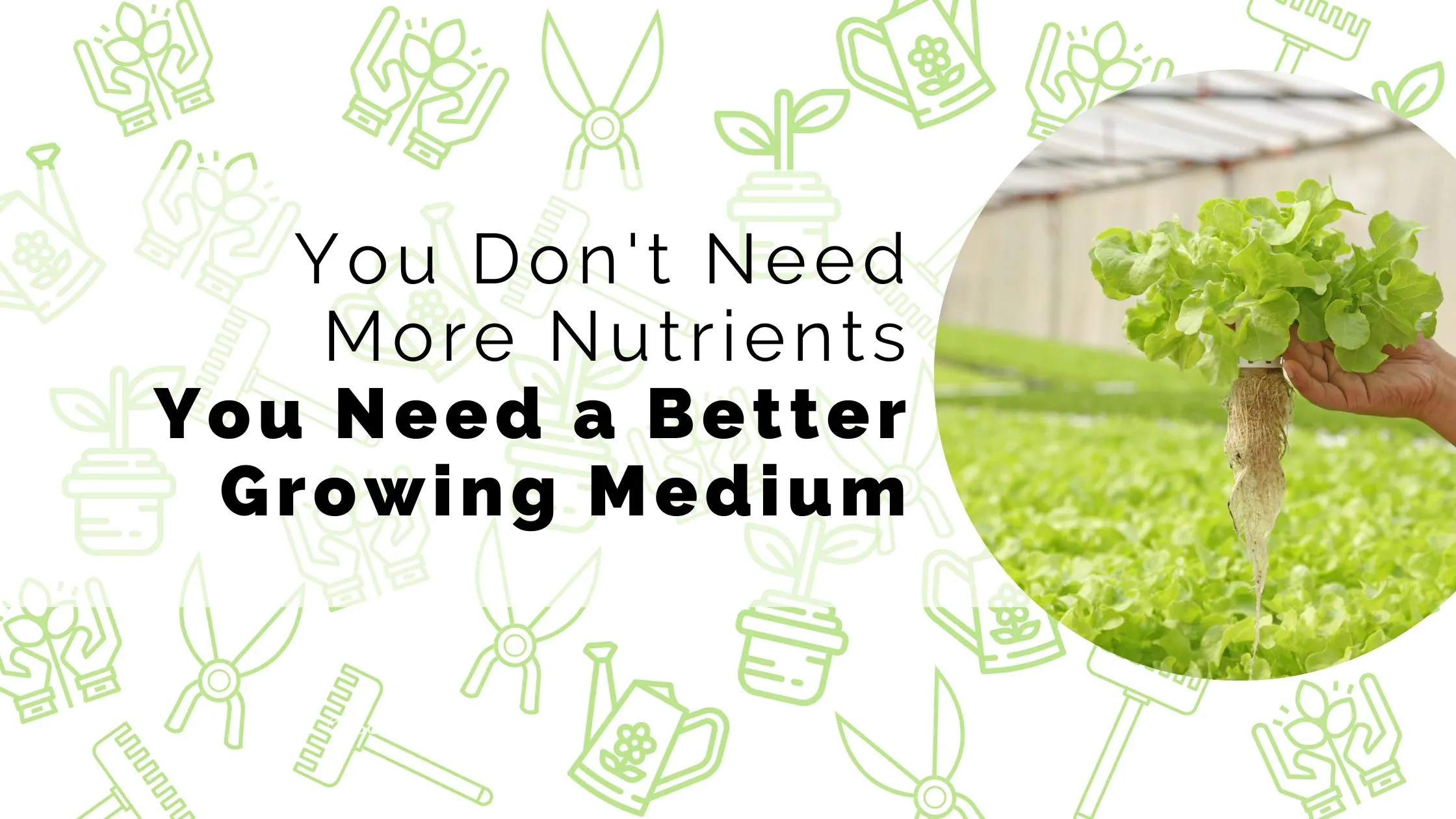
Many people assume hydroponics means plants grow only in water. While some systems do use bare roots, most hydroponic setups rely on hydroponic growing mediums to support plants and manage moisture and oxygen at the root zone.

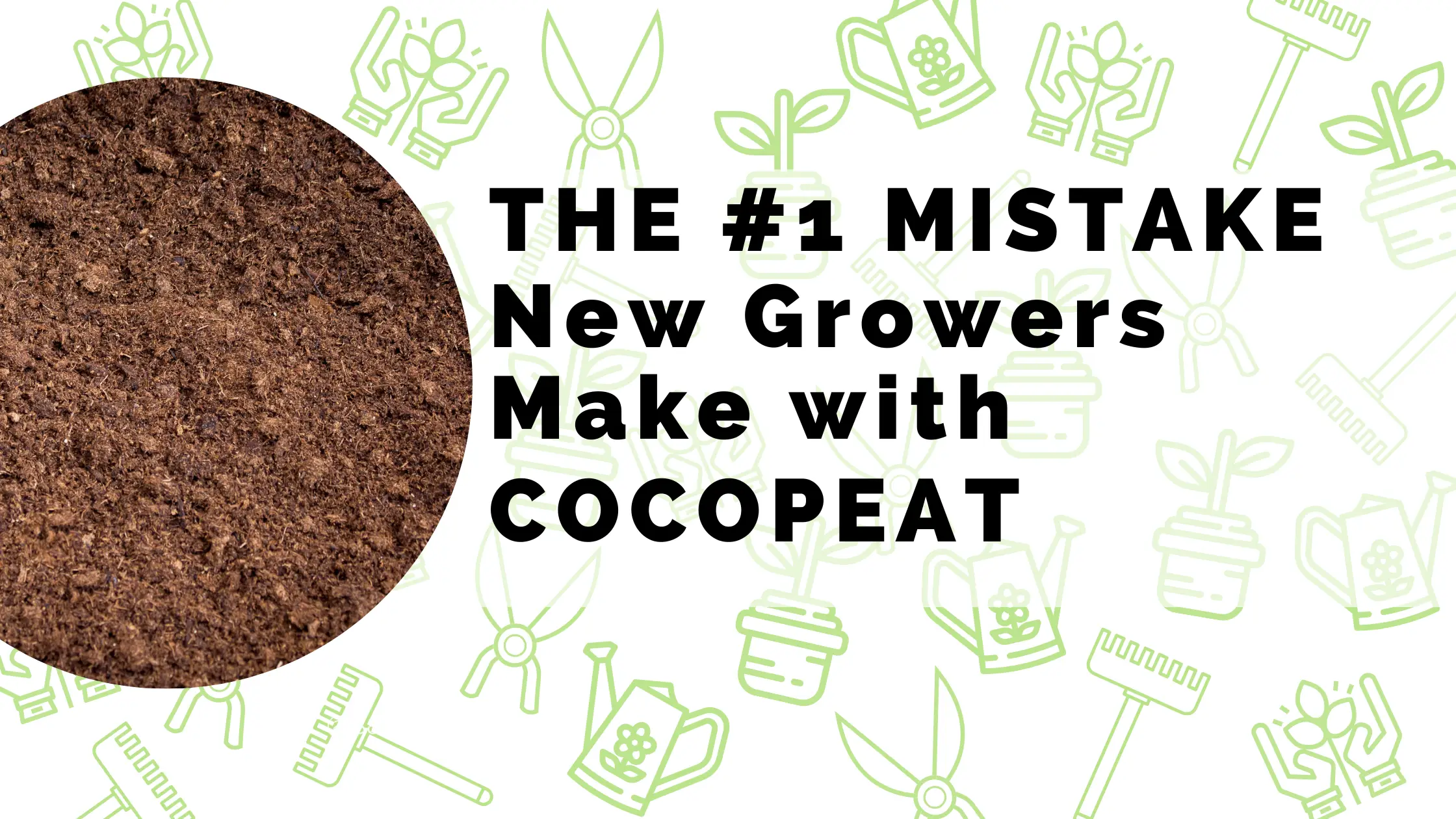
Popular hydroponic growing mediums include coco coir, perlite, clay pebbles, and rockwool. These materials don’t feed the plant. They provide structure, airflow, and water retention while allowing nutrients to flow freely.

Myth 5: Hydroponics Uses More Water Than Soil Growing

This myth couldn’t be further from the truth.

Hydroponics is widely recognised as one of the most water-efficient growing methods available. Because water is recirculated or delivered directly to the roots, far less is wasted through evaporation or runoff. In water-scarce regions, hydroponics can be a smarter and more sustainable alternative to traditional soil growing.

Myth 6: Hydroponics Is High Maintenance

While hydroponics does require monitoring, it’s not inherently more work than soil growing — it’s just different work.

Instead of guessing when to water or feed, growers focus on consistency: checking pH, monitoring nutrient strength, and maintaining clean systems. Once a routine is established, hydroponics often becomes more predictable and less time-consuming than soil-based growing.

Myth 7: Hydroponics Is Less Forgiving Than Soil

It’s true that hydroponics responds faster to mistakes — but that’s also one of its strengths.

Because plants receive nutrients and water directly, adjustments take effect quickly. Issues like nutrient imbalances or pH drift can often be corrected within days, rather than weeks. With the right understanding of hydroponic nutrients and growing mediums, growers gain far more control over plant health than they ever could with soil.