


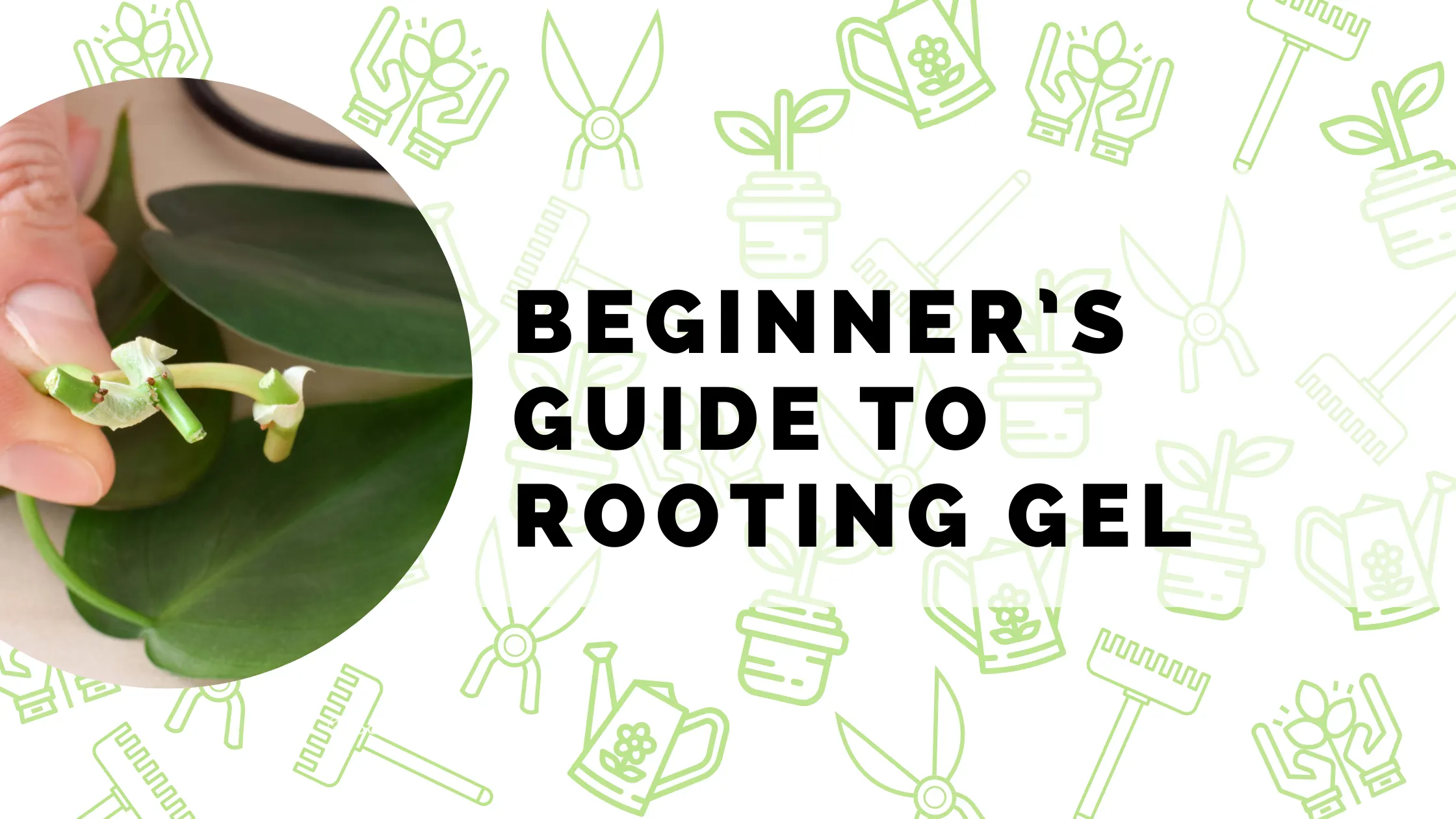
How to Use Rooting Gel for Plants: A Simple Guide to Successful Propagation
Rooting gel is one of the most effective tools for propagating plants from cuttings. Whether you’re cloning herbs, ornamentals, houseplants, or more demanding crops, using a rooting gel can dramatically increase your success rate by encouraging faster, stronger root development.
Also known as cloning gel or hormone gel, this product helps cuttings form roots more reliably than water alone. In this guide, we’ll explain what rooting gel is made of, how it works, and walk you through a step-by-step process for using it correctly. We’ll also share a few practical tips to help you avoid common mistakes and get the best results.
What Is Rooting Gel (and What Is It Made Of)?
Rooting gel is a plant propagation aid designed to stimulate root growth on cuttings. Unlike powdered or liquid rooting hormones, gel formulations coat the cutting evenly and stay in place, protecting the cut surface while roots begin to form.
Most rooting gels are made from:
- Synthetic or plant-derived auxins (rooting hormones), such as IBA (Indole-3-butyric acid), which trigger root cell development
- A gel carrier, which helps the hormone adhere to the cutting
- Stabilising agents and preservatives, to maintain consistency and shelf life
The gel creates a protective barrier around the cut end of the plant, reducing air exposure and helping prevent infection while the rooting hormone gets to work.
Because of this combination of protection and hormone delivery, rooting gel is often preferred over powders or liquids, especially for softwood or delicate cuttings.
Why Use Rooting Gel?
While some plants will root in plain water or soil, rooting gel offers several advantages:
- Faster root initiation
- Higher success rates, especially with difficult plants
- More uniform root development
- Reduced risk of rot or infection at the cut site
For growers who want consistency and reliability, rooting gel is a simple upgrade that can make a noticeable difference.
Step-by-Step: How to Use Rooting Gel
Using rooting gel is straightforward, but technique matters. Follow these steps for best results:
1. Prepare Your Tools and Workspace
Before you start, make sure everything is clean. Use a sharp, sterilised blade or scissors to take cuttings, and work on a clean surface. Contamination is one of the most common causes of cloning failure.
2. Take a Healthy Cutting
Select a healthy, pest-free plant. Cut a section of stem just below a node (the point where leaves emerge). Most cuttings should be 8–15 cm long, depending on the plant type.
Remove the lower leaves so that no foliage will sit below the growing medium.
3. Scoop Out the Rooting Gel
Instead of dipping the cutting directly into the main container, scoop out a small amount of rooting gel into a separate, clean dish. This reduces the risk of contaminating the entire jar with plant material or microbes.
4. Apply the Gel
Dip the cut end of the stem into the gel, ensuring it is evenly coated. You only need to cover the bottom 1–2 cm of the cutting. Avoid excessive gel, as more is not better.
5. Insert Into Growing Medium
Immediately place the treated cutting into your chosen growing medium. This could be propagation plugs, coco coir, soil, or another suitable rooting medium. Make sure the gel-coated section is fully inserted and supported.
Gently firm the medium around the cutting to remove air pockets.
6. Create the Right Environment
Cuttings need warmth, humidity, and indirect light. Keep the medium moist but not waterlogged, and avoid direct sun until roots have formed.
Practical Tips for Better Results
Small details can make a big difference when working with rooting gel. Keep these tips in mind:
1. Scoop, Don’t Dip
Always scoop out what you need instead of dipping cuttings directly into the container. This helps prevent contamination and extends the usable life of the product.
2. Store Rooting Gel in the Fridge
Rooting gel lasts longer when stored cool. Keeping it in the fridge (sealed properly) can significantly extend its shelf life and effectiveness.
3. Keep Everything Clean
Clean tools, clean hands, and a clean workspace are essential. Many cloning failures are caused by bacteria or fungi introduced during cutting, not by the gel itself.
Common Mistakes to Avoid
- Using too much gel
- Letting the cut end dry out before applying the gel
- Touching the gel-coated area with dirty fingers
- Overwatering the growing medium
Rooting gel supports root growth, but it can’t compensate for poor hygiene or unsuitable conditions.
Rooting Gel vs Other Forms of Rooting Hormone
Rooting hormone comes in powder, liquid, and gel forms. While all can be effective, gel is often preferred because it:
- Stays in place on the cutting
- Reduces exposure to air
- Provides consistent hormone coverage
For growers looking for ease of use and repeatable results, cloning gel is often the most forgiving option.
Final Thoughts
Rooting gel is a simple but powerful tool for anyone interested in plant propagation. By understanding what it’s made of, how it works, and how to apply it correctly, you can dramatically improve your cloning success.
With clean tools, a good environment, and a few smart handling practices, rooting gel can help turn healthy cuttings into strong, independent plants—every time.